Finding The Right System Integrator: 10 Questions To Ask Before You Hire
Author:Andy
Released:September 29, 2025
Selecting the ideal system integrator (SI) can significantly impact the success of your project. Many people experience confusion and obstacles while navigating this decision-making process. Think about your own frustrations when working with integrators.
In this guide, we will highlight the critical questions you should ask to make an informed choice and enhance your project’s chances of success.
Understanding The Role Of A System Integrator
A system integrator (SI) acts as the crucial link bringing various subsystems together into a coherent, functioning whole within a project. Their expertise is essential for the successful implementation of projects, as they ensure that all components—whether software, hardware, or network infrastructure—operate in harmony. For example, if a business seeks to enhance its IT systems, an SI ensures seamless integration of new software with existing hardware, avoiding costly disruptions and downtime.

There are three primary categories of integration services available: software integration, which connects different applications for shared data functionality; hardware integration, involving the connection of physical devices; and cloud integration, which ensures that cloud solutions communicate effectively with on-premises systems. Each category is tailored to address unique operational needs, such as data accessibility and operational efficiency enhancements.
However, engaging the wrong system integrator can lead to significant setbacks. Miscommunication, misalignment of vision, or insufficient technical skills can contribute to project delays and unforeseen costs. Thus, businesses must invest time in thoroughly vetting potential SIs to avoid these pitfalls and maximise the success of their projects.
Question 1: What Is Your Experience With Similar Projects?
The previous experience of a system integrator should be one of your top priorities when assessing candidates. An integrator with a strong background in your specific industry can provide invaluable insights and expertise, which can significantly impact the project's outcome. Industry-specific nuances often dictate the direction and success of projects.
To verify their capabilities, don't hesitate to ask for detailed case studies and client testimonials that reflect the integrator's previous work. These materials not only serve to confirm their ability to address your unique needs but also enhance your project's potential for success.
Question 2: What Solutions And Services Do You Offer?
System integrators offer a diverse range of solutions, encompassing software, hardware, and cloud services, each tailored to meet different operational requirements. Software solutions generally involve applications that help manage tasks and data efficiently, while hardware solutions focus on the necessary physical devices to ensure system functionality. Cloud services enable scalable online resources, fostering flexibility and remote access.
Tailored integration enhances overall performance and aligns more closely with organizational goals.
Question 3: Can You Provide References From Previous Clients?
When choosing a system integrator, strong references and positive client feedback are non-negotiable. Endorsements provide a glimpse into the integrator's capabilities, ensuring you of quality outcomes tailored to your project's specific requirements.
Also, request examples of both successful projects and challenges that the integrator has faced in past contracts. A diverse range of feedback will shed light on their problem-solving abilities and adaptability in high-pressure situations.
Question 4: What Types Of Support And Maintenance Do You Offer?
A comprehensive support package should ideally include technical support, enabling skilled professionals to address both software and hardware issues as they arise.
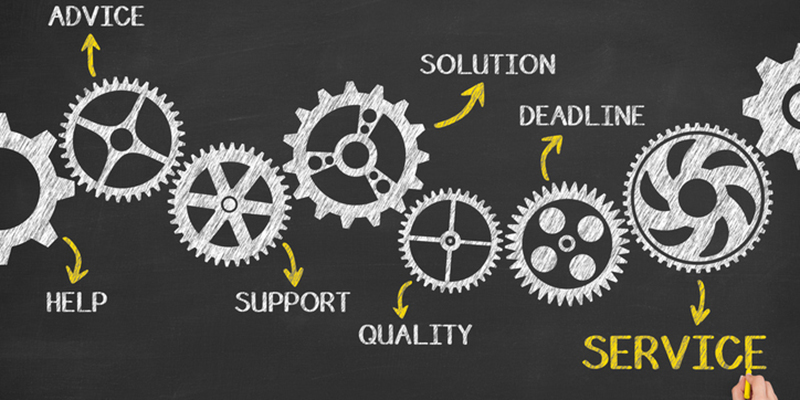
Regular maintenance checks and updates will help optimize system performance, while scheduled training sessions empower staff to adapt confidently to changes, ensuring a smooth transition. Your investment in long-term support will not only bolster system reliability but also reinforce the overall partnership with your integrator.
Question 5: What Is Your Project Management Approach?
Robust project management methodologies play a key role in keeping projects on track and ensuring adherence to timelines. The Agile methodology, with its focus on iterative development, is highly adaptable to changing requirements and ideal for projects with fluid requirements. Conversely, the Waterfall method employs a linear approach with distinct phases that are well-suited for projects with specific requirements.
Hybrid methodologies combine elements of both, striking a balance between structure and flexibility. Clearly defined approaches help manage expectations, allocate resources efficiently, and ensure that timelines are met, resulting in successful project outcomes and satisfied stakeholders.
Question 6: How Do You Handle Changes And Challenges?
Change is an inevitable part of any project, especially in the field of systems integration. When selecting a systems integrator, their ability to anticipate change and flexibly respond to unexpected challenges should be considered. During the project, potential integrators' adaptive solutions for dealing with obstacles should be discussed.
Regular communication is essential to confirm that they prioritise transparency and provide updates to keep all stakeholders informed. A responsive integrator will facilitate navigation through complexities, ensuring that project goals are met even in the face of uncertainties. A cooperative relationship will further enhance the success of your project.
Question 7: What Is The Estimated Project Timeline?
A thoughtfully crafted schedule enables effective resource allocation and progress tracking. During early discussions with a prospective system integrator, address expected timelines while remaining open to potential delays stemming from unforeseen challenges (such as technology integration issues or resource availability).
Discussing these elements openly creates shared expectations and promotes collaboration. Establishing a clear timeline from the beginning enables all parties to manage commitments and adapt to shifting project dynamics effectively.
Question 8: What Are The Payment Terms And Total Costs?
Establishing clarity around costs and payment terms is integral when engaging a system integrator. Understanding total expenses—including any hidden fees or additional charges—protects your budget from unexpected shocks. Feel free to ask about payment schedules, and ensure that you clarify what is included in the quoted price.
Open discussions around financial matters establish a foundation for successful collaboration and mitigate potential misunderstandings later.
Question 9: How Do You Ensure Quality Control?
Upholding quality control throughout all project phases. SIs should implement regular review processes that involve setting checkpoints to compare progress against established standards. Performance metrics and feedback loops can support continued improvement.
Encouraging open lines of communication among team members will help address any emergent concerns quickly. When vetting potential integrators, look for recognised certifications, such as ISO 9001, or compliance with industry standards, as these indicators affirm their commitment to maintaining quality throughout the engagement.
Question 10: What Is Your Exit Strategy?
An exit strategy outlines how operations will proceed once the engagement is concluded, ensuring smooth continuity without disruptions. Discussing the integrator's handover processes allows for future scalability and preparedness for further growth.
An established plan not only protects current operations but also helps manage risks, facilitating a more seamless transition so you can concentrate on your next endeavours without uncertainty.
Your Next Steps
In summary, selecting the right system integrator requires careful consideration of key factors that impact your project's success. This guide outlines ten pivotal questions designed to guide your evaluation process. By proactively exploring these questions before engaging potential integrators, you ensure not only a suitable partnership but also a competitive edge for your project.
Don't Miss

The Future Of Self-Driving Cars: How AI Makes Decisions For Safer Roads

How AI In Sports Is Changing Performance For Teams Everywhere

How AI Detects Fraud In Banking: Simple Breakdown For Beginners

Finding The Right System Integrator: 10 Questions To Ask Before You Hire

How AI Helps Improve Video Quality and Editing: A Simple Guide For Better Videos
